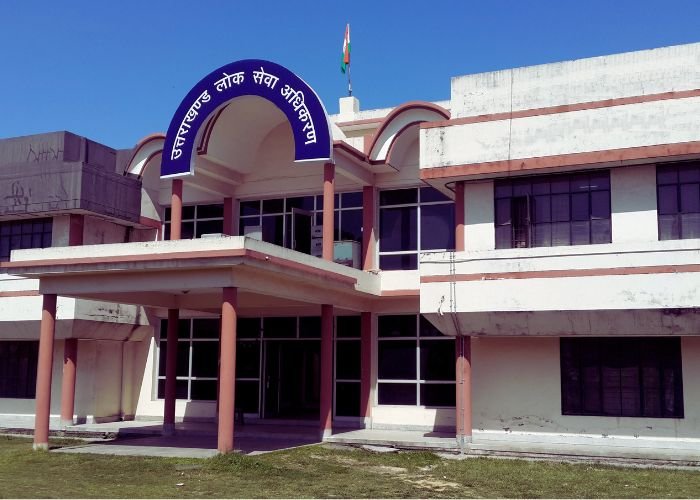
INTRODUCTION
The Public Service Tribunal in Uttarakhand is a critical entity in resolving employment-related disputes among public servants in the state. It serves as a platform to ensure fairness and justice in matters concerning their employment. Understanding its functions, jurisdiction, and the legal framework governing it is essential for grasping its significance in the realm of public service. By adjudicating disputes, the tribunal upholds principles like accountability and transparency, fostering an environment where disputes are resolved impartially. This blog seeks to provide a thorough understanding of the tribunal’s role, shedding light on its importance in guaranteeing equitable outcomes in public service matters within Uttarakhand.
WHAT IS PUBLIC SERVICE TRIBUNAL UTTRAKHAND?
The Public Service Tribunal in Uttarakhand operates under the purview of the Uttar Pradesh Public Services (Tribunals) Act, 1976, which provides a legal framework for resolving employment disputes within the state. This tribunal, consisting of a Chairman, Vice-Chairmen, and members, serves as a crucial mechanism for ensuring fair and just decisions based on the principles of natural justice. Its establishment post the formation of Uttarakhand in 2000 underscores the state’s commitment to providing a dedicated forum for public servants to address grievances and employment-related issues. Through its adjudicative role, the Uttarakhand Public Services Tribunal plays a significant part in safeguarding the rights and interests of employees within the state, contributing to a transparent and accountable public service system.[1]
UTTAR PRADESH PUBLIC SERVICE TRIBUNAL ACT 1976
The Uttar Pradesh Public Services (Tribunal) Act, 1976[2] was enacted to establish Tribunals for resolving service and employment-related disputes of public servants in the State. This Act, passed in 1976, aimed to provide a quicker and more cost-effective resolution for government employees. The Act provides for the creation of the State Public Services Tribunal, which is empowered to hear grievances of public employees regarding service matters. The Tribunal is not bound by the strict procedures of civil courts, but is guided by the principles of natural justice. Public servants must have exhausted all other available remedies before approaching the Tribunal with their complaints. The Act grants the Tribunal the authority to call for documents and evidence, though it typically decides cases based on written submissions without requiring oral testimony. The legislation was amended in 2003 to allow legal representatives of deceased public servants to make claims to the Tribunal for unpaid salaries, benefits, and other entitlements. Furthermore, a 2013 amendment set the retirement age of the Tribunal Chairman at 70 years. The key provisions of the Uttar Pradesh Public Services (Tribunal) Act, 1976 include the establishment of tribunals to adjudicate disputes related to public servants’ employment matters in Uttar Pradesh. It outlines the constitution of the tribunal, the appointment qualifications for members, and the procedures for redressal of grievances. The Act specifies the powers and procedures of the tribunal, including decision-making processes, evidence admission, and expeditious resolution of cases. Additionally, amendments have been made to clarify terms like “order,” include legal representatives’ rights, and ensure comprehensive coverage of service-related claims
Over time, this legislation has been amended to enhance its effectiveness in addressing employment-related issues These Tribunals faced legal challenges in the High Court, prompting a writ petition. The High Court issued a mandamus requiring changes in their establishment, a decision upheld by the Supreme Court, expecting an early amendment to address the matter.
After thorough consideration, it was decided that the Act needed amendment to enhance the effectiveness of the Tribunals, requiring the following:[3]
- Consolidating five Tribunals into one, with a Chairman, Vice-Chairman, and at least five Judicial-Administrative Members.
- Enabling single or dual-member Benches to dispose of cases.
- Setting eligibility criteria and term limits for appointees.
- Granting the Governor authority to remove officials after due inquiry.
- Entrusting the Chairman with tasks such as establishing Benches and case distribution.
- Providing recourse if interim orders are not issued within specified timeframes.
- Authorizing the State Government to determine Tribunal locations and handle contempt cases.
- Establishing mechanisms for decision implementation and regulating Tribunal staff’s pay and conditions.
As the State Legislature was not in session, the Governor promulgated the Uttar Pradesh Public Service (Tribunal) (Amendment) Ordinance 1991 on October 28, 1991, to expedite implementation. Subsequently, a Bill was reintroduced to replace the Ordinance.
ROLE OF PUBLIC SERVICE TRIBUNAL
The Public Service Tribunal plays a crucial role in resolving service-related disputes for public servants. Here are the key roles explained:
1. JUDICIAL DECISION: –
- The Public Service Tribunal acts as a legal body tasked with making fair and impartial decisions in disputes concerning the service and employment of public servants. This means it functions like a court specifically for resolving conflicts within the public service sector.
- When public servants encounter issues related to their employment, such as wrongful termination, discrimination, or disputes over benefits, they can bring their case before the Tribunal for adjudication.
- Through careful consideration of evidence, testimony, and relevant laws and regulations, the Tribunal aims to reach decisions that uphold justice and fairness in the public service environment.
2. SPECILIZED RESOLUTION: –
- Unlike general courts, the Tribunal specializes in addressing disputes specific to the public service sector. This specialization allows it to have a deep understanding of the unique challenges and intricacies involved in public service employment.
- By focusing exclusively on public service matters, the Tribunal can apply specialized knowledge and expertise to ensure that decisions are made in accordance with the specific laws, policies, and regulations governing public service employment.
- This specialized approach enhances the Tribunal’s ability to provide accurate and effective resolutions tailored to the complexities of the public service environment.
3. EFFICIENT DISPUTE RESOLUTION: –
- One of the primary goals of the Tribunal is to provide efficient and timely resolution of disputes arising from decisions made by the government in matters related to public service.
- Public servants rely on the Tribunal to address their grievances promptly and fairly, helping to maintain a harmonious and productive working environment within the public service sector.
- Through streamlined procedures and a commitment to procedural fairness, the Tribunal strives to minimize delays and ensure that disputes are resolved in a manner that respects the rights and interests of all parties involved.
4. AUTONOMOUS BODY: –
- The Tribunal operates independently from the regular judicial system, meaning it functions as a separate entity dedicated specifically to addressing public service disputes.
- This autonomy allows the Tribunal to focus solely on its mandate without being subject to the constraints or influences of the broader legal system.
- By operating autonomously, the Tribunal can maintain its specialized focus and expertise in public service matters, ensuring that it remains well-equipped to fulfil its role in resolving disputes for public servants effectively.
WHAT KIND OF CASES HEARD IN PUBLIC SERVICE TRIBUNALS
The Uttarakhand Public Service Tribunal (UPT) hears a wide range of case related to public service matters in Uttarakhand. Some common types of cases heard by the tribunal include:
- 1. Recruitment Disputes: Cases concerning the recruitment process, including allegations of unfair selection criteria, discrimination, or irregularities in the recruitment process.
- 2. Promotion Matters: Disputes regarding promotions within the public service, such as allegations of wrongful denial of promotion, favouritism, or violation of promotion guidelines.
- 3. Service Conditions: Cases related to service conditions, including grievances regarding salary, benefits, working hours, transfers, and postings.
- 4. Disciplinary Proceedings: Matters involving disciplinary actions taken against public service employees, such as suspension, termination, or demotion, based on misconduct or other disciplinary violations.
- 5. Seniority Disputes: Cases concerning disputes over seniority among employees, including challenges to seniority lists, seniority calculations, and related issues.
- 6. Pension Matters: Disputes related to pension entitlements, pension calculations, eligibility criteria, and other pension-related issues for retired public service employees.
- 7. Administrative Appeals: Appeals against administrative decisions made by government agencies or departments, including grievances related to administrative actions or decisions affecting public service employees.
- 8. Transfer and Posting Disputes: Cases involving disputes over transfers and postings of public service employees, including allegations of arbitrary transfers or requests for specific postings.
- 9. Harassment and Discrimination: Cases alleging harassment, discrimination, or other forms of misconduct by employers or colleagues within the public service.
- 10. Other Employment-related Disputes: Any other disputes or grievances related to employment within the public service sector in Uttarakhand.
CONCLUSION
In conclusion, the Public Service Tribunal in Uttarakhand plays a crucial role in ensuring fairness and justice for public servants in the state. It operates under the Uttar Pradesh Public Services (Tribunals) Act, 1976, and deals with a wide range of employment-related disputes. By providing a specialized forum for resolving these issues, the tribunal helps maintain transparency and accountability in the public service sector. Its independence and focus on efficiency make it an essential institution for upholding the rights of public servants in Uttarakhand. Understanding its functions is key to appreciating its importance in the state’s governance.
[2] https://www.indiacode.nic.in/bitstream/123456789/11659/1/public_service_(tribunal)_1976.pdf
[3] https://spst.up.nic.in/about_us.htm
written by Tanya Jaiswal, a 3rd year student pursuing BA.LLB from School of legal studies LNCT University, Bhopal Madhya Pradesh.